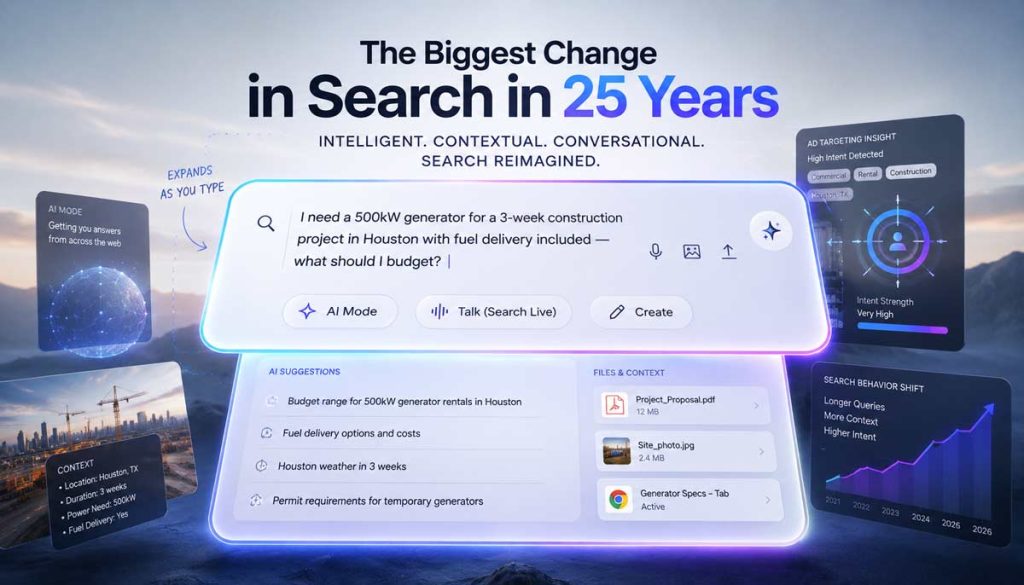

In 2025, nearly 20.5% of people worldwide are using voice search regularly, and an astonishing 8.4 billion voice assistants are in use, exceeding the global population. Meanwhile, visual search is gaining traction, powered by AI systems like Google Lens and Apple Vision. If your brand is not optimized for these formats, you risk losing visibility in the evolving search landscape.
Voice Search Optimization
-
Prioritize conversational, long-tail queries
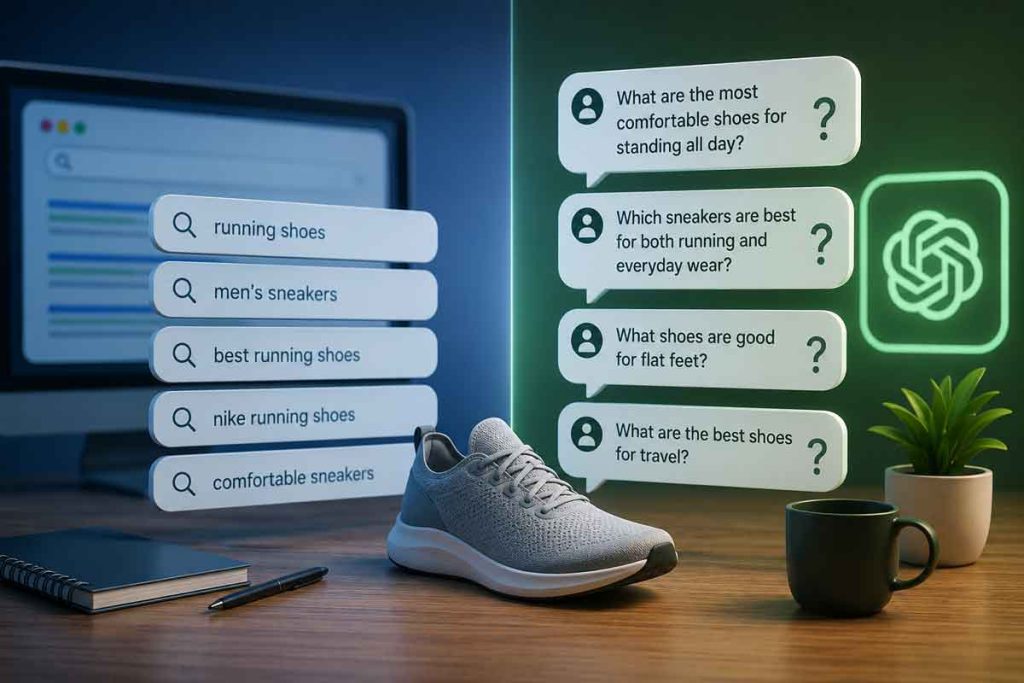
Voice search is natural and question-based, for example, “What are the best eco-friendly sneakers?” These queries are increasingly important, as voice results typically showcase short answer snippets from high-authority pages. -
Create FAQ and conversational content
Structuring pages with clear Q&A sections increases your chance of capturing featured snippets, which are often the primary source for voice answers. -
Optimize for local intent
Many voice searches are “near me” queries used on the go. This means your Google Business Profile should be accurate, and local schema, such as address and service area markup, should be implemented. Reference: DemandSage voice search statistics -
Use structured data and schema
Implement FAQ and HowTo schema to improve compatibility with voice assistants. This aligns with Answer Engine Optimization (AEO), which focuses on helping search engines extract direct, context-aware answers. -
Build depth and authority
Pages ranking for voice search tend to be comprehensive and semantically rich, emphasizing useful, in-depth content over exact-match titles. -
Leverage AI-powered tools
AI content frameworks guided by AEO and Generative Engine Optimization (GEO) can help ensure content is scannable by both human readers and AI models. Tools like GPT-based assistants can help draft Q&A sections or refine long-form content. Reference: AI SEO on Wikipedia
Visual Search Optimization
-
Use high-resolution, context-rich images
High-quality visuals improve machine interpretation and can increase search visibility. -
Optimize file names and metadata
Descriptive file names, for examplered-suede-wedges.jpg, plus alt text, captions, and ImageObject schema can improve your chances of being picked up by visual AI. -
Build image sitemaps
An image sitemap helps Google and AI platforms locate and index your visuals more effectively. -
Compress images for speed
Balance image quality with performance using tools like TinyPNG, WebP format, and lazy loading to support Core Web Vitals. -
Maintain a centralized visual strategy
Follow a clear process to curate, centralize, optimize, distribute, and analyze visuals for consistent deployment across your site. -
Create diverse and original visuals
Showing your products or items from multiple angles and in unique contexts helps visual AI recognize and prioritize your content.
Merging Voice, Visual, and AI: A New Hybrid Strategy
Successful digital strategies now blend traditional SEO, AEO, and GEO. According to Wikipedia, AI SEO involves structured content that is not only search-engine friendly but also designed for citation in AI-generated answer engines.
By using schema, FAQs, rich visuals, and a conversational tone, your content becomes more machine-readable and gains preference in voice and visual recognition systems.
Suggested Image for This Article
Place an engaging hero image showing a person holding a smartphone and interacting with a voice assistant while visually recognizing a product, such as hands-free voice and visual search imagery.
Include multiple image sizes and descriptive alt text like:
“Woman using voice command ‘Hey Siri, show me red heels near me’ while phone camera identifies shoes in a store.”
Actionable Checklist
| Step | What to Do |
|---|---|
| Keyword Research | Find natural-language queries and long-tail search phrases. |
| Content Format | Optimize with FAQs, HowTo sections, and detailed paragraphs of around 2,000 or more words where appropriate. |
| Schema Markup | Add FAQ, HowTo, Product, LocalBusiness, and ImageObject schema. |
| Image Optimization | Use high-resolution images, descriptive filenames, alt text, compression, and image sitemaps. |
| Technical SEO | Ensure mobile-first design, fast page speed, and Core Web Vitals compliance. |
| AI Tool Integration | Use tools to generate conversational Q&A and optimize for AI citations. |
| Performance Tracking | Monitor voice and visual traffic, rich snippet appearances, and AI engine citations. |
Further Reading
Explore Answer Engine Optimization to deepen your understanding of how AI assistants select and present answers: Answer engine optimization (AEO) – Wikipedia
Conclusion
Voice and visual search are not futuristic. They are already here and growing. Today’s brands need to bridge conversational phrasing, rich imagery, and structured content to succeed in this emerging AI-driven landscape.
By embracing the hands-free era with smart strategy and AI integration, you position your brand to be seen, heard, and chosen by both humans and machines.
Looking to implement these voice and visual search strategies without breaking the bank? Medium Interactive offers affordable digital marketing services tailored to help small businesses thrive in the hands-free, AI-powered world of search.