Is ChatGPT About to Compete with Google Ads?
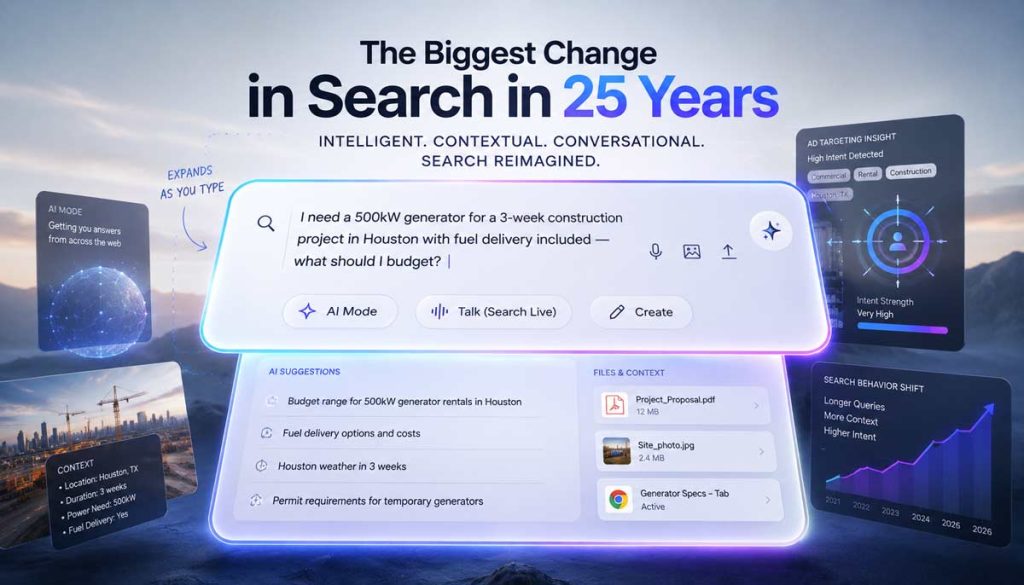
With OpenAI testing advertising on ChatGPT, performance marketers are asking whether this represents a viable alternative to Google Ads — or simply another channel in an increasingly fragmented acquisition landscape. The answer is more nuanced than a direct comparison suggests, because ChatGPT and Google operate on fundamentally different user behaviors, intent signals, and monetization models.
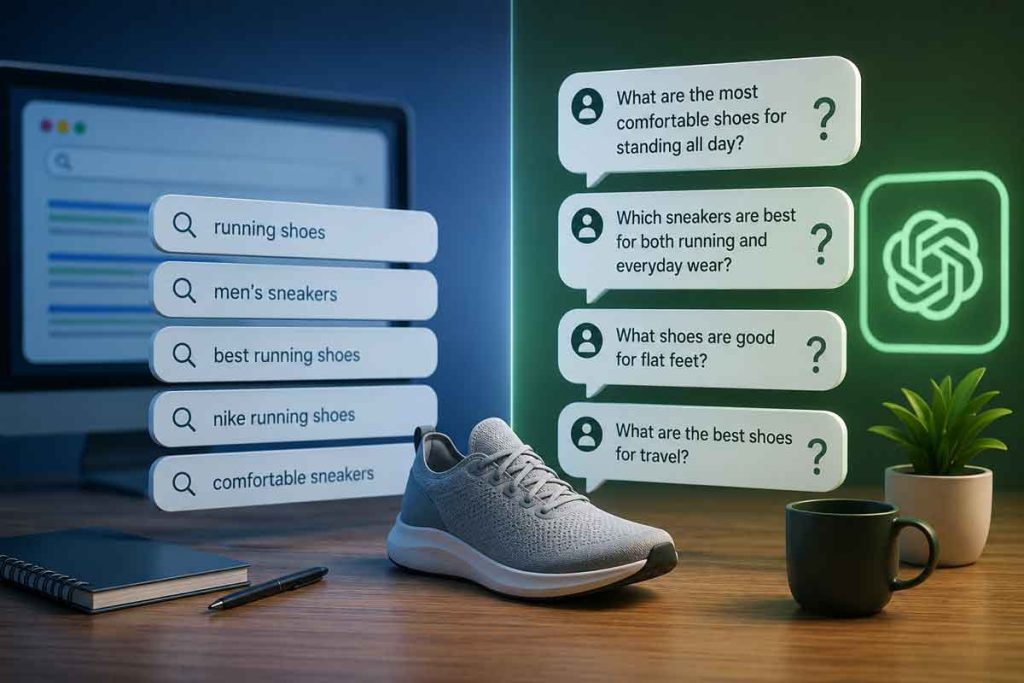
Google Ads has spent two decades refining keyword-based intent targeting, auction dynamics, and conversion optimization. ChatGPT ads, by contrast, are entering a conversational interface where users are not searching for ten blue links but asking for synthesized answers and recommendations. That difference changes everything about how advertisers should approach budget allocation, creative strategy, and performance expectations.
According to OpenAI’s official advertising approach, the company is prioritizing user experience and contextual relevance over aggressive monetization. This stands in contrast to the platform lifecycle described by Cory Doctorow in his analysis of how digital platforms evolve — a trajectory that typically moves from user-first to advertiser-first over time.
How Google Ads and ChatGPT Ads Differ in Functionality
Google Ads is built on explicit search queries. A user types “industrial generator supplier Ohio” and advertisers bid to appear at the top of results. The intent is clear, the auction is transparent, and optimization is driven by decades of performance data.
ChatGPT ads, as described in OpenAI’s help documentation, will appear at the bottom of conversational responses when the AI determines commercial relevance. The user is not searching — they are asking questions, comparing options, or seeking recommendations. The ad is contextual to the conversation, not to a keyword bid.
Core differences
| Feature | Google Ads | ChatGPT Ads |
|---|---|---|
| User intent signal | Explicit keyword search | Conversational context |
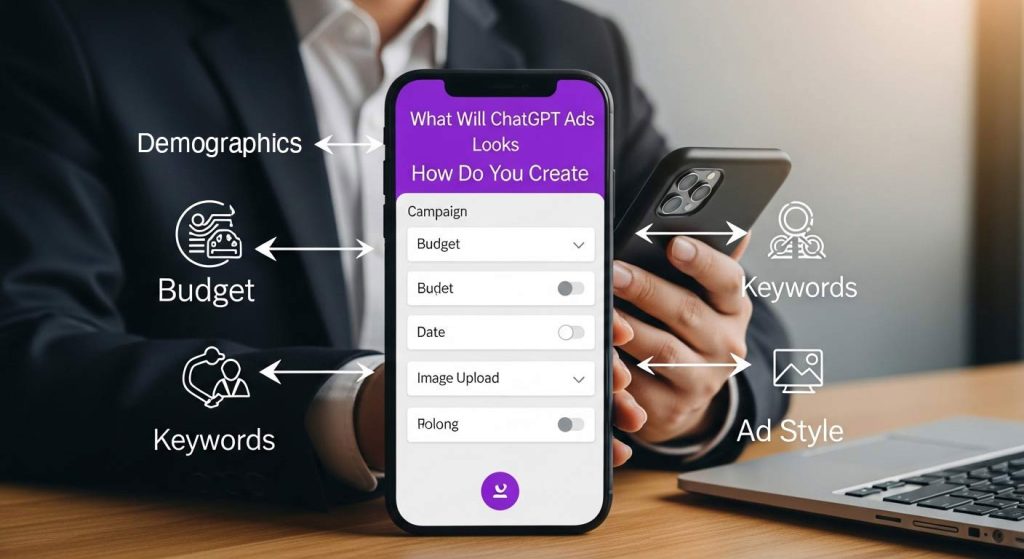
| Targeting method | Keywords + audiences + placements | Contextual only (no demographics) |
| Bidding model | CPC, CPM, CPA, auction-based | Likely CPM initially (unconfirmed) |
| Search term visibility | Full query reports available | Aggregated insights only (privacy-first) |
| Optimization data | 20+ years of performance history | Early testing phase |
For agencies already running sophisticated Google Ads campaigns, ChatGPT represents a different layer of the buyer journey — not a replacement, but an additional touchpoint.
Where ChatGPT Ads Excel (and Where They Don’t)
ChatGPT ads will likely perform best when users are actively evaluating solutions. This is the consideration and decision stage of the funnel — questions like “what’s the best CRM for a 50-person sales team” or “should I hire an agency or build marketing in-house.”
Google Ads, by contrast, captures intent across the entire funnel: awareness (broad informational queries), consideration (comparison searches), and decision (branded or high-intent commercial terms). The platform’s versatility is one of its core strengths.
When to prioritize ChatGPT ads
- Users asking vendor comparison questions
- Decision-support queries (“what should I choose”)
- Long-tail evaluative conversations
- Categories where AI recommendations carry weight
When to prioritize Google Ads
- High-volume keyword opportunities
- Branded search defense
- Local intent queries (Google’s map integration)
- Immediate purchase intent (transactional searches)
The reality is that most performance marketing strategies will eventually incorporate both. As discussed in our analysis of ChatGPT advertising for performance marketers, ChatGPT ads should be treated as an experimental mid-funnel layer — not a Google Ads killer, but a new intent signal worth testing.
Can You Run Both at the Same Time?
Yes, and you should. The two platforms serve different user behaviors and capture different moments in the decision-making process. A well-structured performance strategy might look like this:
Google Ads: Capture high-intent keywords, defend branded terms, run remarketing, and dominate local search results.
ChatGPT Ads: Appear in evaluative conversations, answer comparison questions, and position your brand as a recommended solution when users ask AI for advice.
The challenge will be attribution. ChatGPT traffic may show up as direct or unassigned in analytics, making it difficult to separate organic AI mentions from paid placements. The solution is rigorous UTM tagging and a clear marketing analytics framework that accounts for conversational AI as a distinct channel.
What About Cost and Efficiency?
Google Ads costs vary widely by industry, keyword competitiveness, and campaign structure. CPCs in competitive B2B categories can range from $5 to $50+ per click. For high-value conversions, this can still be efficient — but it requires ongoing optimization, negative keyword management, and landing page testing.
ChatGPT ads, if sold on an impression basis (as early reporting suggests), will follow a different cost structure. Instead of paying per click, advertisers may pay per thousand ad views. This shifts the efficiency equation from click-through rate to conversion rate — meaning your landing page and offer quality become even more critical.
| Scenario | Google Ads (CPC model) | ChatGPT Ads (CPM model) |
|---|---|---|
| $1,000 budget, $10 CPC | 100 clicks | N/A (different model) |
| $1,000 budget, $25 CPM | N/A (different model) | 40,000 impressions |
| ROI dependency | CTR + conversion rate | Impression quality + conversion rate |
The early-stage nature of ChatGPT ads means you’re trading proven performance (Google) for experimental positioning (ChatGPT). Budget allocation should reflect that risk profile.
Platform Economics and Long-Term Viability
One question worth asking is whether ChatGPT will follow the same trajectory as other ad platforms. Cory Doctorow’s analysis of platform enshittification describes a predictable pattern: platforms start by prioritizing users, then shift focus to advertisers, and eventually extract maximum value at the expense of both.
Google Ads has largely avoided this by maintaining auction-based pricing and clear performance metrics. Advertisers stay because the ROI justifies the spend, and users tolerate ads because they remain relevant.
ChatGPT’s challenge will be balancing ad density with user experience. If ads become too frequent or poorly targeted, users may migrate to ad-free alternatives or competing AI platforms. If ads are too restricted, revenue may not justify the infrastructure costs. OpenAI has stated in its official announcement that it will proceed cautiously — but long-term sustainability remains unproven.
For performance marketers, this means treating ChatGPT as a beta channel with upside potential but limited downside risk. Allocate exploratory budget, track results rigorously, and avoid over-indexing until the platform demonstrates stable performance and advertiser-friendly economics.
Should You Shift Budget from Google Ads to ChatGPT?
Not yet. Google Ads remains the dominant performance channel for most B2B and e-commerce businesses. The platform’s scale, data infrastructure, and optimization tools are unmatched.
ChatGPT ads should be viewed as incremental budget — a new channel layered on top of existing paid search, SEO, and marketing automation efforts. Start with a small test budget, measure attribution carefully, and scale only if performance justifies it.
The more interesting question is whether ChatGPT ads will change how users discover and evaluate solutions. If conversational AI becomes the default interface for decision-making, then appearing in those conversations becomes strategically critical — not because ChatGPT ads replace Google Ads, but because user behavior itself is shifting.
For now, the smartest move is to prepare for both: maintain strong Google Ads performance while positioning your brand to appear naturally in AI-driven evaluations. That means investing in content, domain authority, and the kind of trusted expertise that AI systems cite when users ask for recommendations.